Duke Life Flight: A Legacy of Excellence in Critical Care Transport
Founded in 1985, Duke Life Flight became the first hospital-based emergency transport service in North Carolina, setting a new standard for rapid-response critical care in the region. In its inaugural year, the program distinguished itself as the most active first-year flight program in the United States—an early indicator of the essential role it would play in advancing patient outcomes across the state.
The establishment of Duke Life Flight was driven by the pioneering research of Joseph Moylan, MD, and Gregory S. Georgiade, MD, who examined the life-saving benefits of rapid air transport for trauma patients. Their findings underscored the critical importance of reducing transport time to definitive care, particularly for patients with severe or time-sensitive injuries. From this foundation, Duke Life Flight emerged as a vital extension of Duke’s commitment to delivering advanced medical care beyond hospital walls.
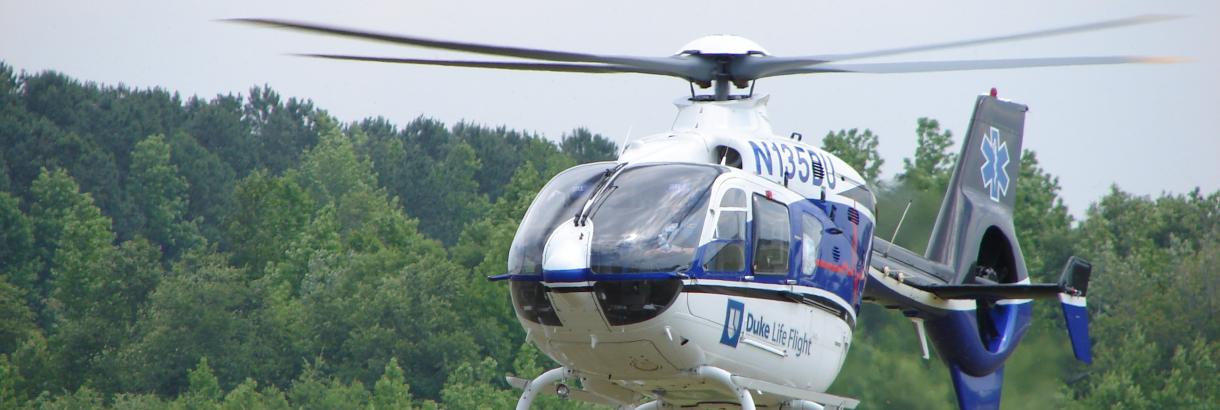
Over the past four decades, Duke Life Flight has evolved from a single helicopter operation into a comprehensive, multi-modal critical care transport program. Today, the service operates two helicopters and seven ground ambulances, providing 24-hour, seven-day-a-week coverage. The program delivers highly specialized critical care transport to patients throughout the region when time, advanced technology, and expert clinical intervention are pivotal to survival and recovery.
In March 1989, Duke Life Flight expanded its capabilities by introducing its ground ambulance division. This addition quickly achieved a historic milestone as the nation’s first critical care ground transport team. The vision was to create a “rolling intensive care unit”—a mobile platform capable of delivering the same level of sophisticated monitoring, intervention, and life-sustaining therapies available in a hospital ICU. This innovation significantly broadened access to advanced care for patients who required high-acuity transport but for whom air transport was not feasible.
In 2000, Duke Life Flight earned accreditation from the Commission on Accreditation of Medical Transport Systems (CAMTS), recognizing its adherence to the highest standards in air medical transport services. The program has successfully maintained this accreditation every three years since, demonstrating a sustained commitment to quality improvement, safety, and clinical excellence.
Continuing its forward momentum, the program expanded its clinical staffing model in 2016 to include critical care paramedics and advanced life support paramedics. That same year, Duke Life Flight established a dedicated neonatal and pediatric transport team composed of registered respiratory therapists and specialized neonatal/pediatric registered nurses. This team ensures that the region’s most vulnerable patients receive highly specialized, age-appropriate critical care during transport.
The Duke Event Medicine Program began in the spring of 2018 when it became the official medical provider for Duke Football and Basketball. Since then, it has expanded to provide comprehensive medical services for a variety of athletic and campus events. The program continues to play a vital role in ensuring the health and safety of the Duke community during both routine and high-profile events.
In 2020, Duke Life Flight strategically relocated LF1 from the rooftop helipad at Duke University Hospital to the helipad at Maria Parham in Henderson, North Carolina. This move enhanced response times and strengthened service coverage for northern communities, reinforcing the program’s mission to deliver timely, lifesaving care wherever it is needed.
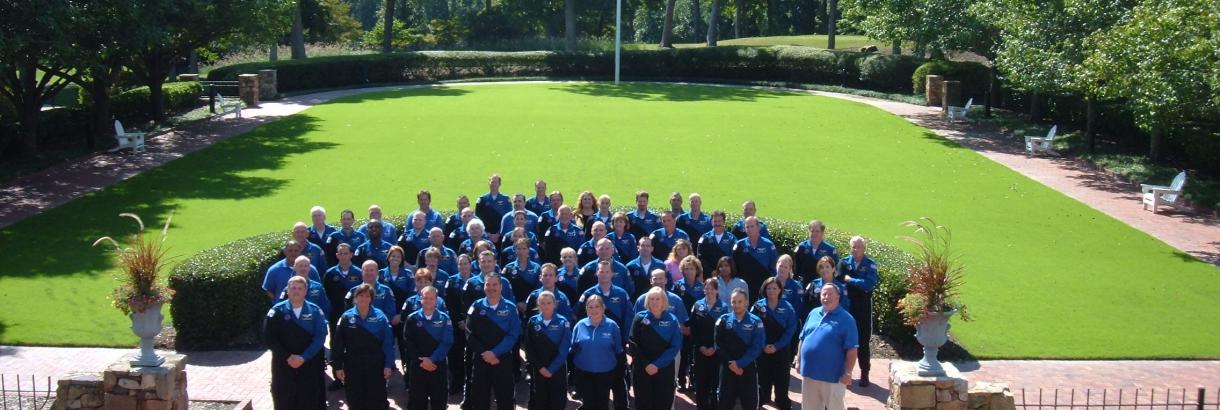
In 2025, Duke Life Flight celebrated 40 years of dedicated service with a commemorative event at the Smithfield Base Hanger—honoring the clinicians, pilots, and support teams whose expertise and commitment have shaped the program’s success.
Today, Duke Life Flight stands as a nationally recognized leader in critical care transport, built upon decades of innovation, clinical excellence, and an unwavering dedication to patient-centered care.